
If you’re carrying high-interest debt on one or multiple credit cards, you may want to consider a balance transfer credit card. A balance transfer credit card allows you to transfer your existing balances to a new card with a lower interest rate, which can help you consolidate your debt and potentially save money on interest charges. Here are some of the benefits of using a balance transfer credit card and how it can help you manage your debt:
Lower Interest Rates
One of the biggest benefits of using a balance transfer credit card is the lower interest rates they offer. Typically, balance transfer credit cards come with an introductory 0% interest rate for a set period of time, which can be anywhere from six months to 21 months. During this time, you won’t have to pay any interest on the balance you transfer. This can be a great way to save money on interest charges and pay down your debt faster.
Consolidate Debt
Another advantage of using a balance transfer credit card is that it can help you consolidate your debt. If you have multiple credit card balances with high-interest rates, you can transfer them to a balance transfer credit card and pay them off with one monthly payment. This can make it easier to keep track of your debt and pay it off faster.
Lower Monthly Payments
Using a balance transfer credit card can also help lower your monthly payments. Because you’re consolidating your debt onto one card with a lower interest rate, you may be able to reduce your monthly payments. This can be especially helpful if you’re struggling to make your minimum monthly payments on your existing debt.
Improve Your Credit Score
Using a balance transfer credit card can also help improve your credit score. When you transfer your balances to a new card, your credit utilization ratio will decrease. Your credit utilization ratio is the amount of credit you’re using compared to the amount of credit you have available. By reducing your credit utilization ratio, you can improve your credit score.
No Balance Transfer Fees
Many balance transfer credit cards come with no balance transfer fees. This means you won’t have to pay any fees to transfer your balances to the new card. This can be a great way to save money and pay down your debt faster.
popular balance transfer credit cards that are currently available:
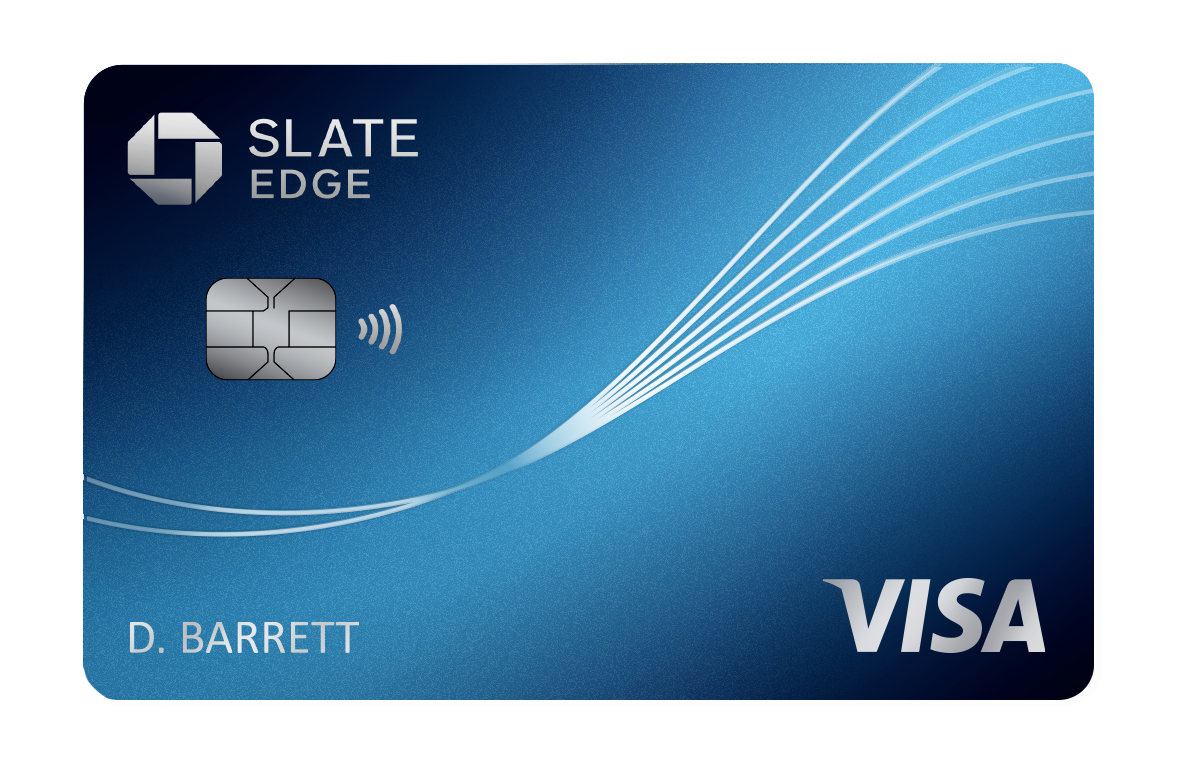
Chase Slate®:
This card offers a 0% intro APR on balance transfers for 15 months, with no balance transfer fees during the first 60 days.
Citi Simplicity® Card:
This card offers a 0% intro APR on balance transfers for 21 months, with no late fees or penalty rates.

Discover it® Balance Transfer:
This card offers a 0% intro APR on balance transfers for 18 months, with a 3% balance transfer fee.

Wells Fargo Platinum Card:
This card offers a 0% intro APR on balance transfers for 18 months, with a 3% balance transfer fee.

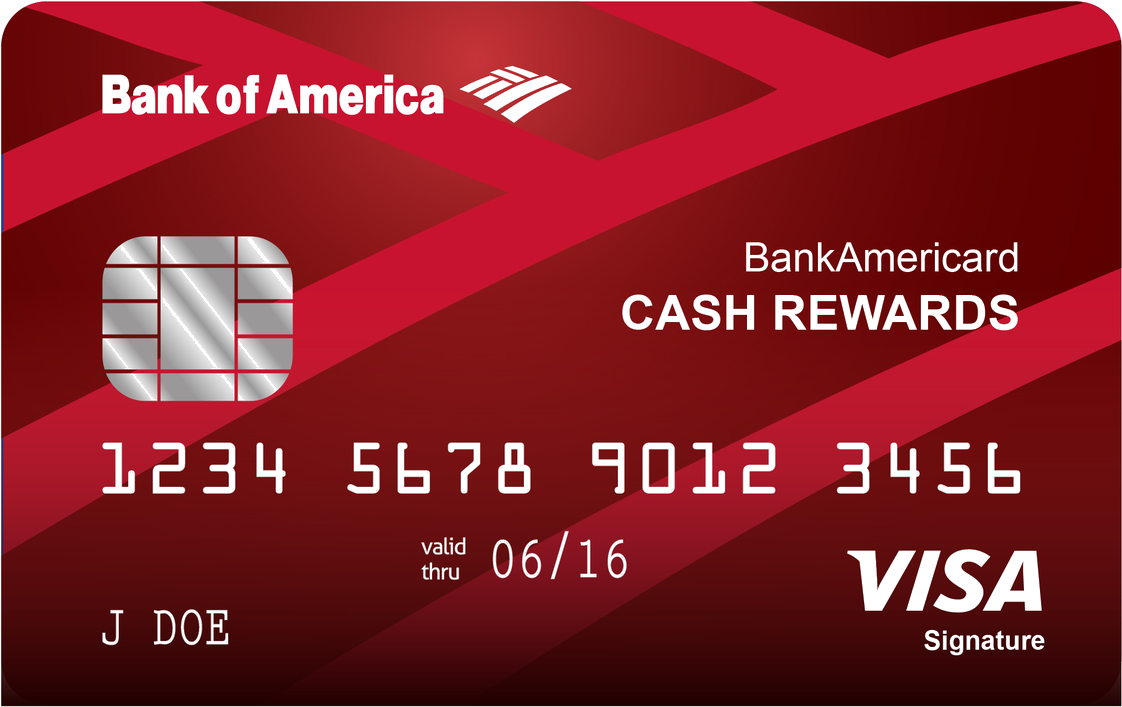
Bank of America® Cash Rewards Credit Card:
This card offers a 0% intro APR on balance transfers for 15 billing cycles, with a 3% balance transfer fee.
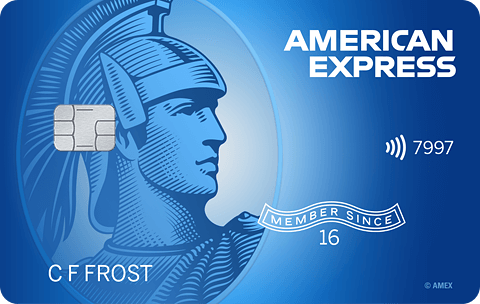
American Express Cash Magnet® Card:
This card offers a 0% intro APR on balance transfers for 15 months, with a balance transfer fee of either $5 or 3% of the amount of each transfer, whichever is greater.
Ultimately, a balance transfer credit card can be a valuable tool for managing your debt and reducing interest costs. You can reduce your monthly payments, raise your credit score, and pay off your debt more quickly by consolidating your debt onto one card with a reduced interest rate. But it’s crucial to study the small print to fully understand the requirements of the debt transfer credit card you’re considering.