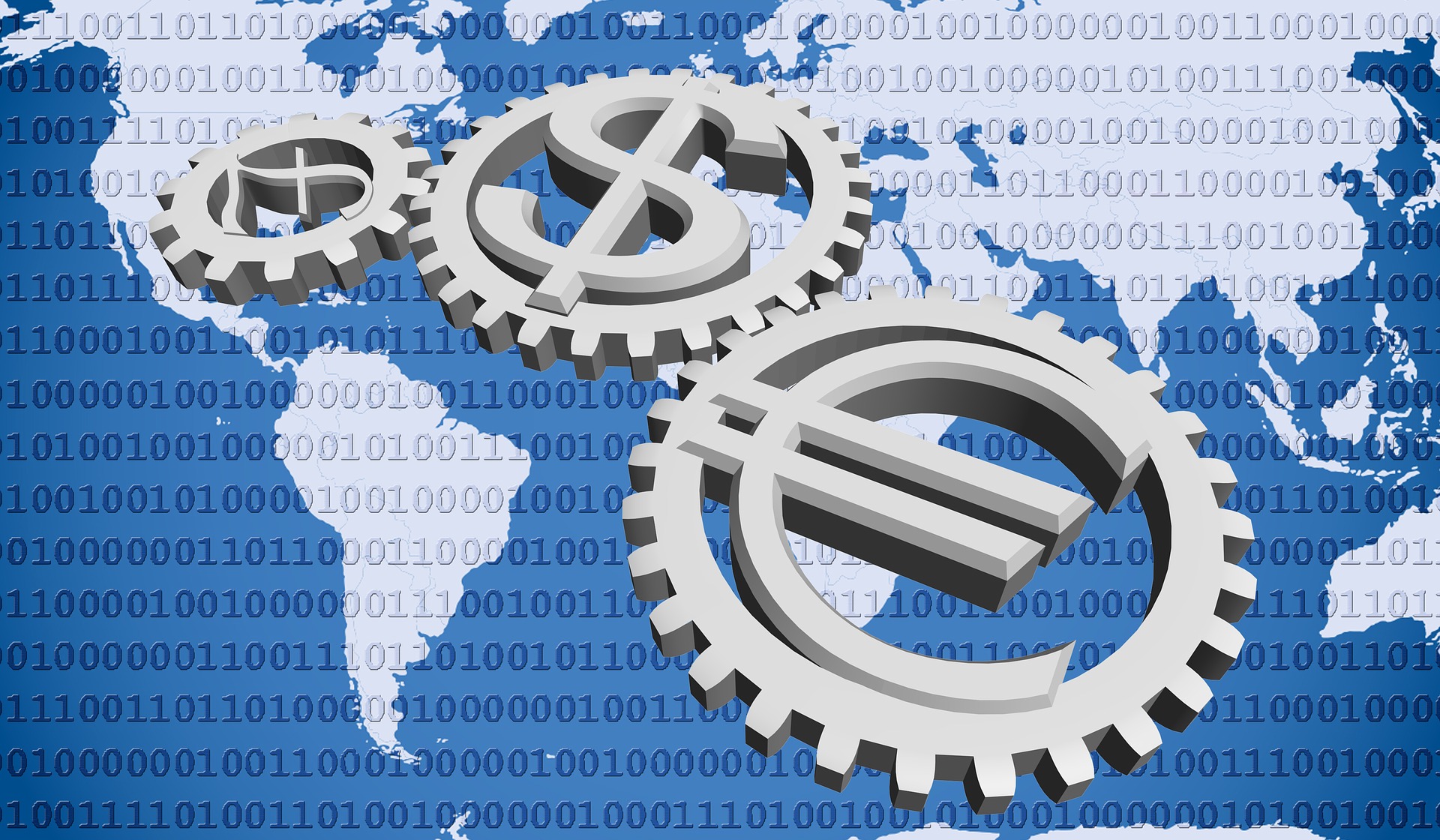
In today’s interconnected world, the need for international loans has become increasingly vital for individuals, businesses, and governments alike. Cross-border lending and global financing opportunities present a myriad of options for those seeking financial support beyond their borders. This article aims to explore the various avenues and opportunities available in international loans, enabling borrowers to navigate the complex terrain and seize the potential advantages.
Multilateral Development Banks:
Multilateral development banks (MDBs) play a crucial role in international lending. These institutions, such as the World Bank and the International Monetary Fund (IMF), offer financing options to support economic development and infrastructure projects worldwide. They provide loans, grants, and technical assistance to countries, fostering growth and stability. Borrowers can benefit from the expertise and global network of MDBs while gaining access to favorable lending terms and lower interest rates.
Export Credit Agencies:
Export credit agencies (ECAs) facilitate international trade by offering financing and insurance solutions to exporters and foreign buyers. These agencies, supported by governments, provide export credits, guarantees, and insurance products to mitigate risks associated with cross-border transactions. Borrowers can secure funding for large-scale projects, purchase equipment, or obtain working capital with the backing of an ECA, thus reducing commercial risks and enhancing access to international markets.

International Commercial Banks:
International commercial banks serve as prominent players in cross-border lending, offering a wide range of financial products and services to individuals and corporations worldwide. Through their global network and expertise, these banks enable borrowers to access capital, manage foreign exchange risks, and navigate regulatory requirements. International loans from commercial banks can be tailored to specific needs, whether it’s project financing, trade finance, or syndicated loans for large-scale investments.
Peer-to-Peer Lending Platforms:
The rise of financial technology has paved the way for innovative approaches to international lending. Peer-to-peer (P2P) lending platforms provide an alternative option for borrowers seeking financing outside traditional banking channels. These platforms connect borrowers directly with individual lenders or institutional investors, cutting out intermediaries and streamlining the lending process. P2P lending offers flexibility, competitive interest rates, and quicker access to funds, making it an attractive option for individuals and small businesses looking for cross-border financing opportunities.

Green and Sustainable Finance:
As the world becomes increasingly focused on environmental sustainability, green and sustainable finance options have emerged. International loans with a green focus allow borrowers to fund environmentally friendly projects, such as renewable energy initiatives, sustainable infrastructure, or energy-efficient technologies. Financial institutions, including green banks and impact investors, provide specialized financing and investment opportunities to support the transition towards a low-carbon economy.

Government-to-Government Loans:
Governments often engage in cross-border lending through bilateral loan agreements. These agreements facilitate economic cooperation and foster diplomatic relationships between nations. Government-to-government loans can support development projects, infrastructure investments, or crisis response efforts. Borrowers benefit from the backing of their respective governments, accessing long-term, low-interest loans, and technical assistance.

International loans and global financing options offer diverse opportunities for individuals, businesses, and governments. From multilateral development banks to peer-to-peer lending platforms and sustainable finance initiatives, navigating these options requires careful consideration. By leveraging the advantages of cross-border lending, borrowers can unlock growth, expand markets, and contribute to a prosperous future.