
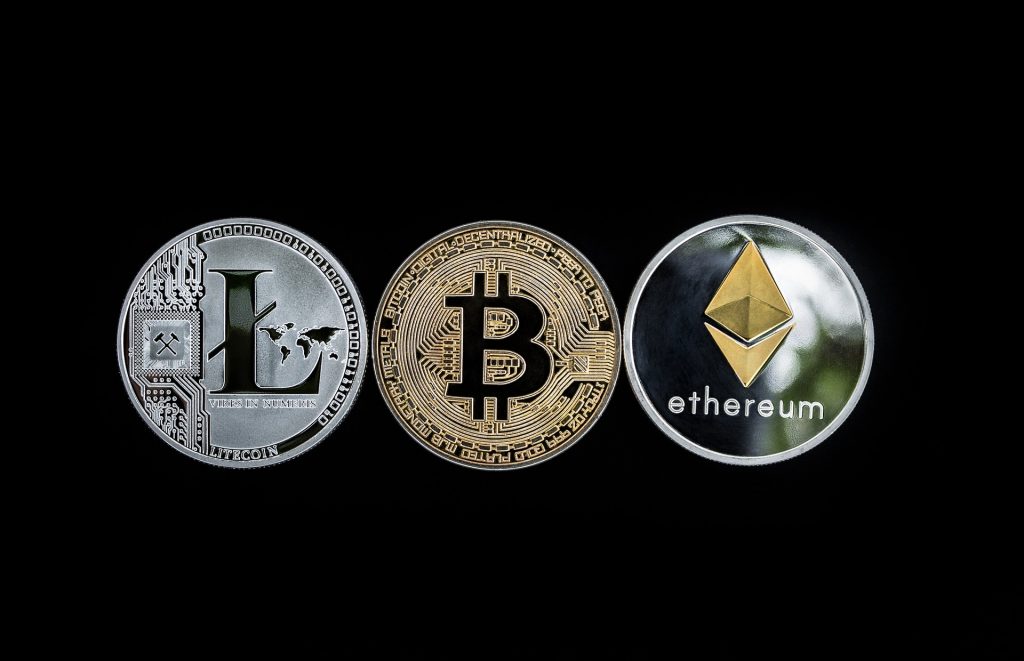
The investment landscape has evolved rapidly over the last decade, with the emergence of cryptocurrencies as a new asset class, capturing the imagination of investors worldwide. Cryptocurrencies, such as Bitcoin and Ethereum, have shown extraordinary returns, making many early adopters wealthy. However, investing in these digital assets can also be fraught with uncertainty, volatility and risk. In this article, we will explore the pros and cons of including cryptocurrencies in a diversified investment portfolio and offer strategies for managing risk and maximizing returns in the digital age.
The Appeal of Cryptocurrencies
High potential returns: Cryptocurrencies have the potential for staggering returns. Bitcoin, for example, has seen exponential growth since its inception in 2009. Early adopters who held onto their investments have reaped significant rewards.
Portfolio diversification: Including cryptocurrencies in your portfolio can offer diversification benefits. The low correlation between cryptocurrencies and traditional assets like stocks and bonds can reduce the overall risk of your portfolio.
Global accessibility: Cryptocurrencies are accessible to anyone with an internet connection, making them available to a vast number of potential investors.
Decentralization: Cryptocurrencies operate on decentralized networks, offering a level of security and independence not found in traditional financial systems.
The Challenges of Cryptocurrencies
Volatility: Cryptocurrencies are notoriously volatile, with prices often experiencing wild fluctuations within short periods. This can make them a challenging addition to an investment portfolio for those with a low-risk tolerance.
Regulatory uncertainty: The regulatory landscape for cryptocurrencies is still evolving, with governments and financial institutions grappling with how to treat digital assets. This can create uncertainty and potential risks for investors.
Security concerns: While the underlying blockchain technology is considered secure, the cryptocurrency ecosystem has been plagued with hacking incidents, scams, and frauds. Investors must be cautious when selecting platforms and wallets to store their digital assets.
Building a Diversified Portfolio in the Digital Age
Start with a strong foundation: Regardless of your interest in cryptocurrencies, it’s essential to have a solid foundation of traditional assets such as stocks, bonds, and cash. Consider working with a financial advisor to develop an investment strategy that suits your goals, risk tolerance, and timeline.
Allocate a small portion to cryptocurrencies: Given the high-risk nature of cryptocurrencies, it’s prudent to allocate only a small portion of your overall portfolio to these assets. This can help limit potential losses while still providing exposure to their potential gains.
Diversify within the cryptocurrency space: Just as you would diversify your traditional investments, it’s essential to diversify within the cryptocurrency space. Consider investing in a mix of large-cap (e.g., Bitcoin, Ethereum) and smaller, promising altcoins to spread risk and capture potential growth.
Dollar-cost averaging: To minimize the impact of short-term volatility, consider investing a fixed amount in cryptocurrencies at regular intervals (e.g., monthly). This strategy, known as dollar-cost averaging, can help smooth out price fluctuations over time.
Stay informed: The cryptocurrency market is continuously evolving, and staying informed about industry developments, regulatory changes, and new investment opportunities is crucial for managing risk and maximizing returns.
Incorporating cryptocurrencies into a diversified investment portfolio can offer significant benefits, including high potential returns and diversification. However, it’s important to approach this asset class with caution and consider the associated risks. By striking a balance between traditional investments and cryptocurrencies, investors can harness the potential of this new asset class while managing their exposure to risk. As the digital landscape continues to evolve, staying informed and adapting to changes will be essential for investment success.