In today’s digital age, where online transactions have become the norm, credit card security has become paramount. With cybercriminals constantly devising new ways to steal personal and financial information, it’s crucial to take proactive steps to protect yourself. By following some essential guidelines and staying informed about potential threats, you can safeguard your credit card data and enjoy peace of mind while making online purchases. This article will outline some practical tips to help you enhance your credit card security and keep your personal and financial information safe.
Shop Safely Online
Online shopping offers convenience and a wide range of options, but it’s important to be cautious when sharing your credit card details. Follow these tips to shop safely online:
Use Secure Websites: Before entering any personal or financial information, ensure that the website you are using has a secure connection. Look for “https://” at the beginning of the URL, which indicates that the website has an SSL (Secure Sockets Layer) certificate.
Stick to Trusted Retailers: Purchase from well-known and reputable online retailers. Avoid suspicious or unfamiliar websites, as they may be scams designed to collect your credit card information.
Update Your Device’s Security: Keep your computer, smartphone, or tablet up to date with the latest security patches and antivirus software. Regularly update your web browser as well to ensure it has the latest security features.
Beware of Public Wi-Fi: Avoid making online purchases when connected to public Wi-Fi networks. Public networks may not be secure, making it easier for hackers to intercept your data. Use a secure and private network instead, such as your home Wi-Fi or a trusted mobile hotspot.
Use Secure Payment Methods
When making online purchases, it’s important to use secure payment methods that offer additional layers of protection. Consider the following options:
Credit Cards: Credit cards generally offer better fraud protection than debit cards. They often have zero-liability policies, meaning you won’t be held responsible for unauthorized charges if promptly reported.
Virtual Credit Cards: Some banks and credit card issuers offer virtual credit cards, which provide temporary card numbers for online transactions. This helps protect your actual credit card details from being compromised.
Digital Wallets: Consider using digital wallets, such as Apple Pay, Google Pay, or PayPal, for online transactions. These services encrypt your payment information and often provide additional authentication steps for added security.
Recognize Phishing Attempts
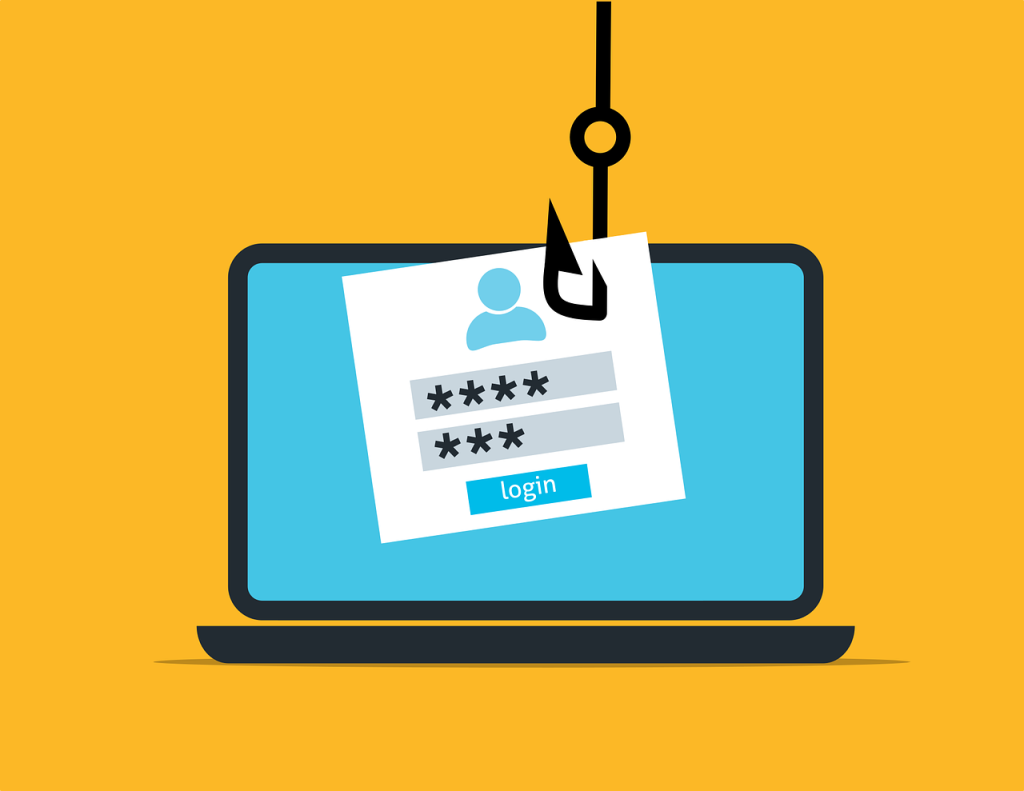
Phishing is a common method used by cybercriminals to trick individuals into revealing sensitive information. Protect yourself from phishing attempts by:
Being Skeptical: Exercise caution when clicking on links or opening attachments in emails, especially if they are from unknown senders. Be wary of emails requesting personal or financial information, as legitimate organizations rarely ask for such details via email.
Verifying Legitimate Websites: Instead of clicking on links provided in emails, manually enter website addresses in your browser or use bookmarks. This reduces the risk of falling for phishing scams that redirect you to fraudulent websites designed to steal your information.
Double-Checking Emails: Pay close attention to email addresses and sender names. Phishers often use deceptive tactics to make emails appear legitimate. Look for any grammatical errors or unusual requests as well.
Understand Liability Protection
While credit card companies often provide liability protection, it’s essential to understand the terms and conditions of your specific card. Familiarize yourself with the following:
Zero-Liability Policies: Many credit card issuers offer zero-liability policies, meaning you won’t be held responsible for unauthorized charges. However, be aware that certain conditions may apply, such as promptly reporting the fraud.
Fraud Monitoring Services: Take advantage of any fraud monitoring services offered by your credit card issuer. These services can detect suspicious activity and notify you promptly, allowing you to take immediate action to protect your accounts.
Regularly Monitor Your Statements: Be proactive in reviewing your credit card statements regularly. Look for any unauthorized transactions or suspicious activity. If you spot anything unusual, report it to your credit card company immediately.
Set up Transaction Alerts: Most credit card issuers allow you to set up transaction alerts via email or text message. These alerts notify you of any activity on your card, helping you identify and respond quickly to any unauthorized charges.
Card issuer security measures
The security of a credit card can depend on various factors, including the card issuer’s security measures, encryption technology, fraud detection capabilities, and customer support. However, many reputable credit card issuers prioritize security and offer robust protection to their cardholders.
EMV Chip Technology: Look for credit cards that feature EMV chip technology. These cards provide enhanced security by generating a unique transaction code for each purchase, making it difficult for fraudsters to clone or counterfeit the card.
Two-Factor Authentication: Some credit cards offer additional layers of security by implementing two-factor authentication (2FA) for online purchases. This may involve a one-time password sent via SMS or a biometric authentication method like fingerprint or facial recognition.
Fraud Monitoring and Alerts: Credit cards with robust fraud monitoring systems and proactive alerts can help detect and prevent fraudulent activity. Look for cards that offer real-time alerts for suspicious transactions or unusual account activity.
Strong Customer Support: Consider credit card issuers known for their responsive and efficient customer support. Prompt assistance in case of suspected fraud or unauthorized activity can be invaluable.
Secure Online Account Management: Opt for credit cards that provide a secure online portal or mobile app for managing your account. Look for features like secure login, transaction history monitoring, and the ability to set up transaction alerts.

In today’s digital world, protecting your credit card information is critical. By following these suggestions, you can greatly improve your credit card security and lower your risk of becoming a victim of cybercrime. Remember to shop safely online, utilize secure payment methods, be wary of phishing efforts, and be aware of the liability protection offered by your credit card provider.
Stay up to date on the latest cybersecurity practices and educate yourself on emerging threats. You may enjoy the ease of online shopping while keeping your personal and financial information safe by taking proactive steps and maintaining watchful. We can all work together to establish a safe online environment and protect ourselves from the ever-changing panorama of credit card fraud.