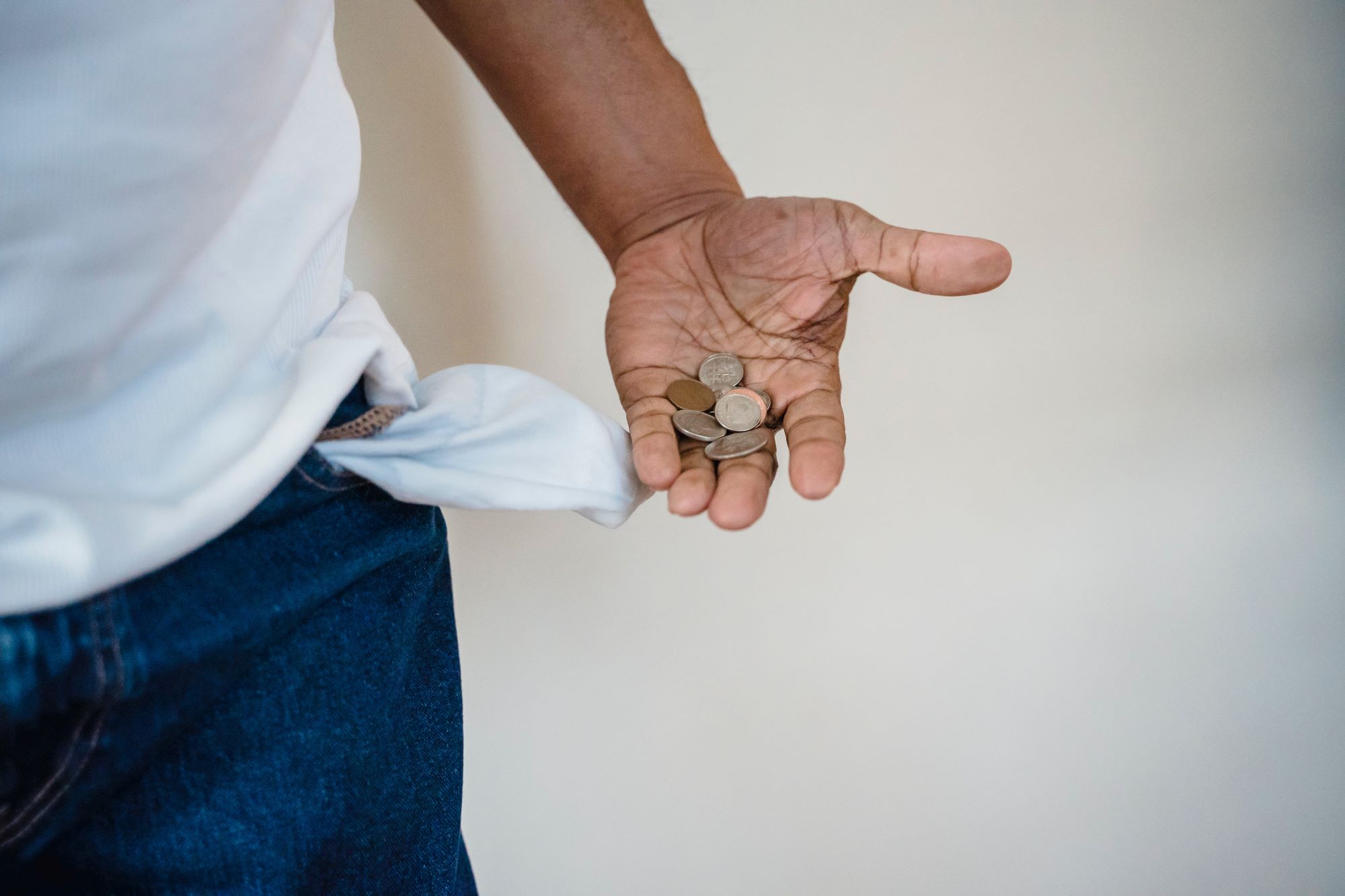
Debt can be a heavy burden to bear, both emotionally and financially. It can feel like a never-ending cycle of late fees, phone calls from creditors, and the stress of wondering how to make ends meet. Bankruptcy can be a light at the end of the tunnel, offering a way to eliminate or restructure debt and start fresh. But like any major decision, it’s important to weigh the pros and cons before taking action. In this article, we’ll explore the exciting and daunting world of bankruptcy as a debt relief option, and offer guidance on the best ways to approach this complex process.
Pros of Bankruptcy:
- Debt Relief: Bankruptcy allows you to eliminate or restructure your debt, giving you a fresh start financially. This can be especially helpful if you have accumulated large amounts of debt and are unable to make your monthly payments.
- Automatic Stay: When you file for bankruptcy, an automatic stay goes into effect, which stops creditors from contacting you or pursuing collection activities. This gives you time to work with your attorney and the court to determine the best course of action.
- Protection of Assets: Depending on the type of bankruptcy you file, you may be able to protect some or all of your assets from creditors. For example, in a Chapter 13 bankruptcy, you can keep your property and assets while paying off your debt over a set period of time.
Cons of Bankruptcy:
- Credit Damage: Bankruptcy will have a negative impact on your credit score and will remain on your credit report for up to 10 years. This can make it difficult to obtain credit or loans in the future.
- Public Record: Bankruptcy is a public record, meaning that anyone can access your bankruptcy filing and related court documents. This lack of privacy can be uncomfortable for some individuals.
- Cost and Complexity: Bankruptcy can be expensive, with filing fees and attorney fees adding up quickly. Additionally, the process can be complex and time-consuming, requiring extensive paperwork and court appearances.

Best Options for Filing Bankruptcy:
- Chapter 7 Bankruptcy: Chapter 7 is a type of bankruptcy that allows you to eliminate most of your unsecured debt, such as credit card debt and medical bills. However, you may have to liquidate some of your assets to pay off your creditors.
- Chapter 13 Bankruptcy: Chapter 13 is a type of bankruptcy that allows you to keep your assets while paying off your debt over a set period of time, usually 3-5 years. This can be a good option for those who have a regular income and want to keep their property.
- Bankruptcy Alternatives: If bankruptcy is not the right option for you, there are other alternatives to consider, such as debt consolidation or debt settlement. These options can help you pay off your debt without going through the bankruptcy process.
In conclusion, bankruptcy can be a useful tool for those who are struggling with overwhelming debt, but it also has its downsides. It’s important to carefully consider your options and consult with a bankruptcy attorney before making any decisions. With the right guidance, you can make an informed decision and take the necessary steps to achieve financial stability.