Credit cards and debit cards are both widely used payment methods, but which one is better for you? Each has its own advantages and disadvantages that you should consider before deciding which one to use. In this article, we will compare the pros and cons of using credit cards versus debit cards for purchases, including factors like security, rewards, and fees.
Security:
Credit Card:
- Pros: Credit cards offer better fraud protection than debit cards. If your credit card is stolen or used fraudulently, you are not responsible for any unauthorized charges.
- Pros: Credit cards offer the ability to dispute charges with the credit card issuer. If you receive a defective product or are overcharged, you can dispute the charge and potentially receive a refund.
- Cons: Credit cards are often targeted by fraudsters, so you need to be careful about protecting your credit card information.
- Cons: Credit cards may have high interest rates if you carry a balance from month to month.
- Cons: Credit cards often charge fees for cash advances, balance transfers, and late payments.
Debit Card:
- Pros: Debit cards require a PIN number to complete transactions, which adds an extra layer of security.
- Pros: Debit cards allow you to spend only what you have in your bank account, which can help you avoid overspending.
- Cons: If your debit card is stolen or used fraudulently, you may be liable for up to $500 of unauthorized charges if you do not report the fraud within two business days.
- Cons: Debit cards may not offer the same level of fraud protection as credit cards.
- Cons: Debit cards may have ATM fees, overdraft fees, and foreign transaction fees.
Rewards:
Credit Card:
- Pros: Credit card rewards programs can offer cash back, points, or miles for each purchase you make.
- Pros: Credit card rewards programs can help you save money on travel, gas, groceries, and other expenses.
- Cons: Credit card rewards programs may have annual fees, high interest rates, and other fees that can offset any rewards you earn.
- Cons: Credit card rewards programs may have restrictions, such as blackout dates, limited availability, and minimum redemption thresholds.
- Cons: Credit card rewards programs may encourage you to spend more than you can afford in order to earn more rewards.
Debit Card:
- Pros: Some debit cards offer cash back or other rewards for purchases.
- Pros: Debit card rewards programs can help you save money on everyday expenses.
- Cons: Debit card rewards programs may have lower rewards rates than credit cards.
- Cons: Debit card rewards programs may have restrictions, such as minimum spending requirements or limited redemption options.
- Cons: Debit card rewards programs may not be available from all banks or financial institutions.
Fees:
Credit Card:
- Pros: Some credit cards have no annual fees, balance transfer fees, or foreign transaction fees.
- Pros: Credit cards may offer interest-free promotional periods for purchases or balance transfers.
- Cons: Credit cards may have high interest rates if you carry a balance from month to month.
- Cons: Credit cards may have penalty fees for late payments, cash advances, or exceeding your credit limit. 5. Cons: Credit cards may have variable interest rates that can change based on market conditions.
Debit Card:
- Pros: Some debit cards have no annual fees or foreign transaction fees.
- Pros: Debit cards do not have interest charges since you are using your own money.
- Cons: Debit cards may have ATM fees, overdraft fees, and other transaction fees.
- Cons: Debit cards may have daily spending limits that can restrict your purchasing power.
- Cons: Debit cards may have restrictions on where they can be used, especially for online purchases.
Popular Card Providers:
When considering credit cards and debit cards, it is important to look at the specific offers and benefits from different card providers. Here are five popular card providers for each category, along with their key features:
Credit Cards:
Chase Freedom Unlimited: No annual fee, unlimited 1.5% cash back on all purchases, 0% introductory APR for the first 15 months.

Citi Double Cash: No annual fee, 2% cash back on all purchases (1% when you buy, 1% when you pay), 0% introductory APR for balance transfers.

Capital One Venture: $95 annual fee (waived for the first year), unlimited 2X miles on all purchases, 50,000 bonus miles for spending $3,000 in the first 3 months.

American Express Gold: $250 annual fee, 4X points on dining and grocery purchases, 3X points on flights and hotels, $120 annual dining credit.

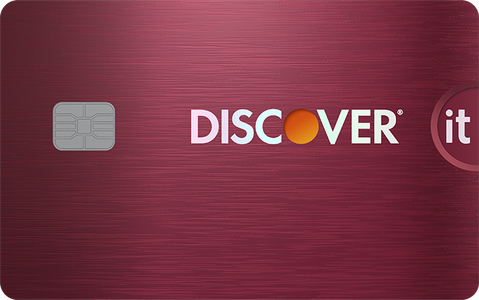
Discover it: No annual fee, 5% cash back on rotating categories (up to $1,500 in purchases per quarter), 1% cash back on all other purchases.
Debit Cards:
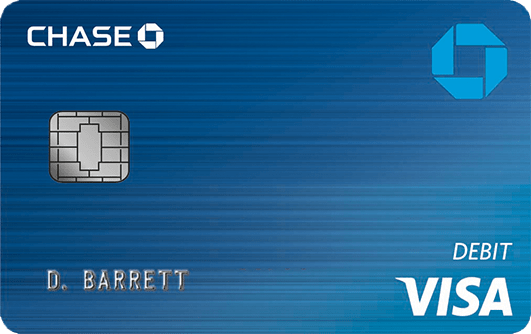
Chase Total Checking: No monthly fee with direct deposit, $200 sign-up bonus, access to over 16,000 ATMs and 4,700 branches.
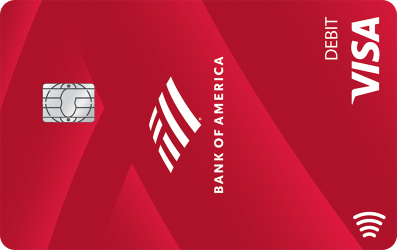
Bank of America Advantage Plus: No monthly fee with direct deposit, access to over 16,000 ATMs and 4,300 branches, overdraft protection available.
Wells Fargo Everyday Checking: No monthly fee with direct deposit or minimum balance, access to over 13,000 ATMs and 5,400 branches, mobile banking app.

Ally Interest Checking: No monthly fee, ATM fee reimbursements up to $10 per month, competitive interest rates on balances.
Schwab Bank High Yield Investor Checking: No monthly fee, unlimited ATM fee reimbursements worldwide, no foreign transaction fees, mobile banking app.

Choosing between a credit card and a debit card can depend on your personal financial situation, spending habits, and preferences. Consider the pros and cons outlined in this article, as well as the specific features and benefits from different card providers, to make the best decision for your needs. Remember to always use your cards responsibly and monitor your account activity to protect your finances.